Akita: Temperament, Training, and What It Asks of Owners
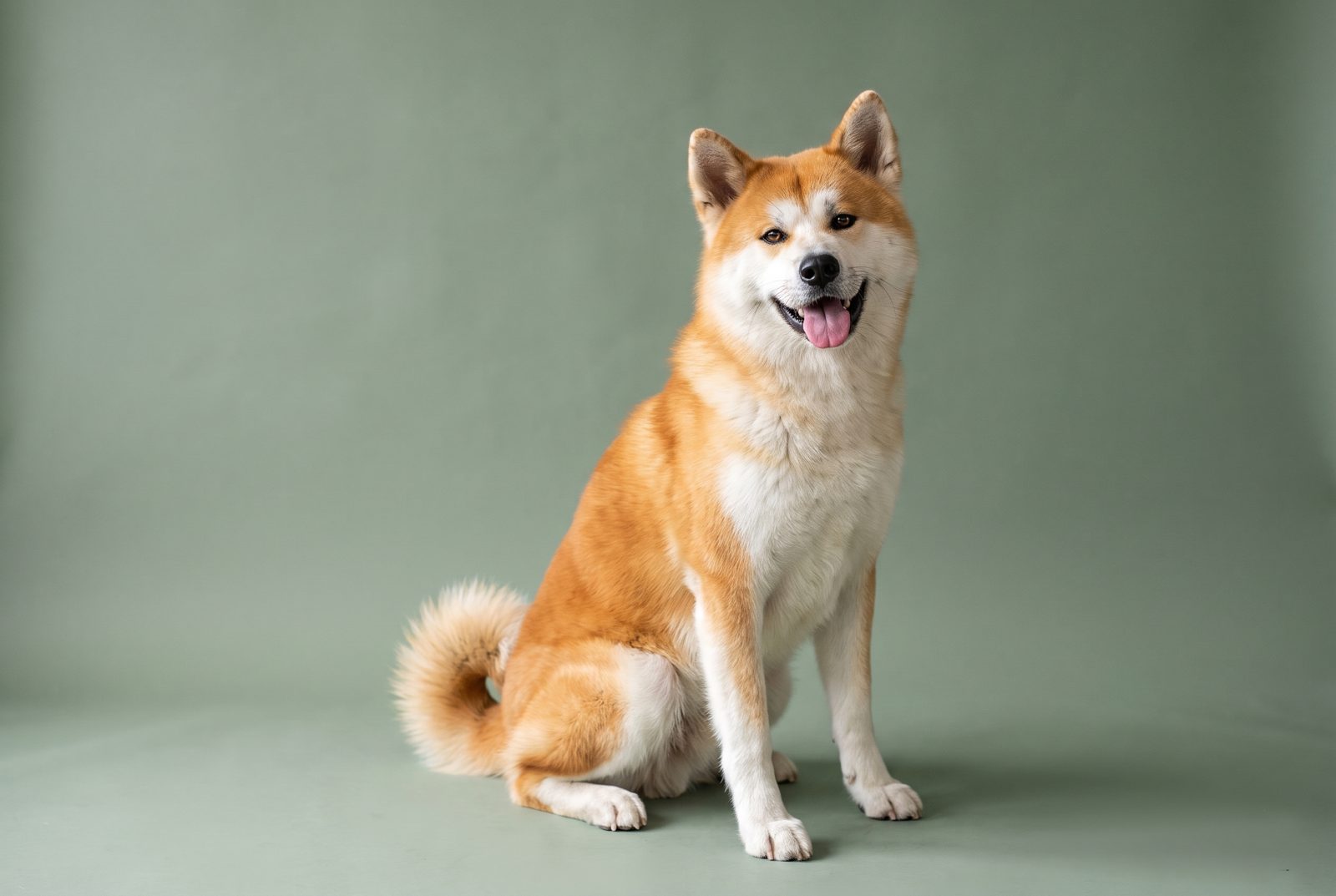
The Akita is a large Japanese breed, originally kept for hunting and guarding in the mountains of Akita Prefecture. It weighs roughly 30 to 45 kilograms and stands about 61 to 67 centimeters at the shoulder. The world knows it through Hachiko, the dog who, as the story goes, waited for years at a train station for his late owner, and loyalty is exactly what the breed is known for.
Temperament
The Akita is calm, dignified, and deeply devoted to its family, but reserved and wary with strangers. It’s independent and confident, so it doesn’t demand constant attention, but it expects respect. It’s often intolerant of dogs of the same sex and has a strong prey drive, so small animals and unfamiliar dogs can be a problem.
Life with kids
★★
An Akita usually gets along with the children in its own family and can be protective of them, but it isn’t a breed for families with small kids. It doesn’t tolerate rough handling, visiting children can stress it out, and any play needs supervision. Kids need to learn to respect the dog, for example by leaving it alone while it eats or sleeps.
Training and socialization
The Akita is intelligent but stubborn and independent, so training takes experience, calm, and consistency. Blind obedience isn’t in its nature, it responds well to positive motivation and short sessions, while harshness and shouting tend to push it away. Early socialization with puppies, people, and different places is essential, otherwise its wariness of strangers can turn into a real problem. We explain the basic commands worth starting with in our article on how to teach a dog basic commands.
Exercise and energy
An Akita needs roughly an hour to an hour and a half of exercise a day, ideally a mix of walking, sniffing, and play. It isn’t a breed for long-distance running, but it handles boredom badly and, without enough to do, starts destroying things or becomes restless. Outdoors it belongs on a leash, since its prey drive and dislike of unfamiliar dogs make off-leash running a poor idea.
Health and care
The thick double coat sheds heavily twice a year, and during that time it needs brushing daily, while the rest of the year once a week is enough. Otherwise the Akita is clean, grooms itself carefully much like a cat, and hardly smells. The breed is prone to hip dysplasia, autoimmune diseases, eye problems, and bloat, so a responsible breeder, health tests on the parents, and several smaller meals a day instead of one big one are worth it.
Who the Akita suits
The Akita suits experienced, calm, and consistent owners who have time for socialization and training and don’t mind an independent dog. For first-time owners and for homes with other pets or small children it tends to be a demanding choice. It handles cooler weather well, in summer it needs shade and water.
You’ll find more breeds in our dog breed dictionary, and the Siberian Husky and Samoyed also have thick northern coats.
Could you handle the daily care and consistency an Akita needs, risk-free?
TestDog simulates real dog care, feeding, walks, and exercise tracked by your phone’s step counter in real time. Try out the consistency and routine that a strong personality like the Akita needs before you get a real dog.