Dogue de Bordeaux: temperament, training and care
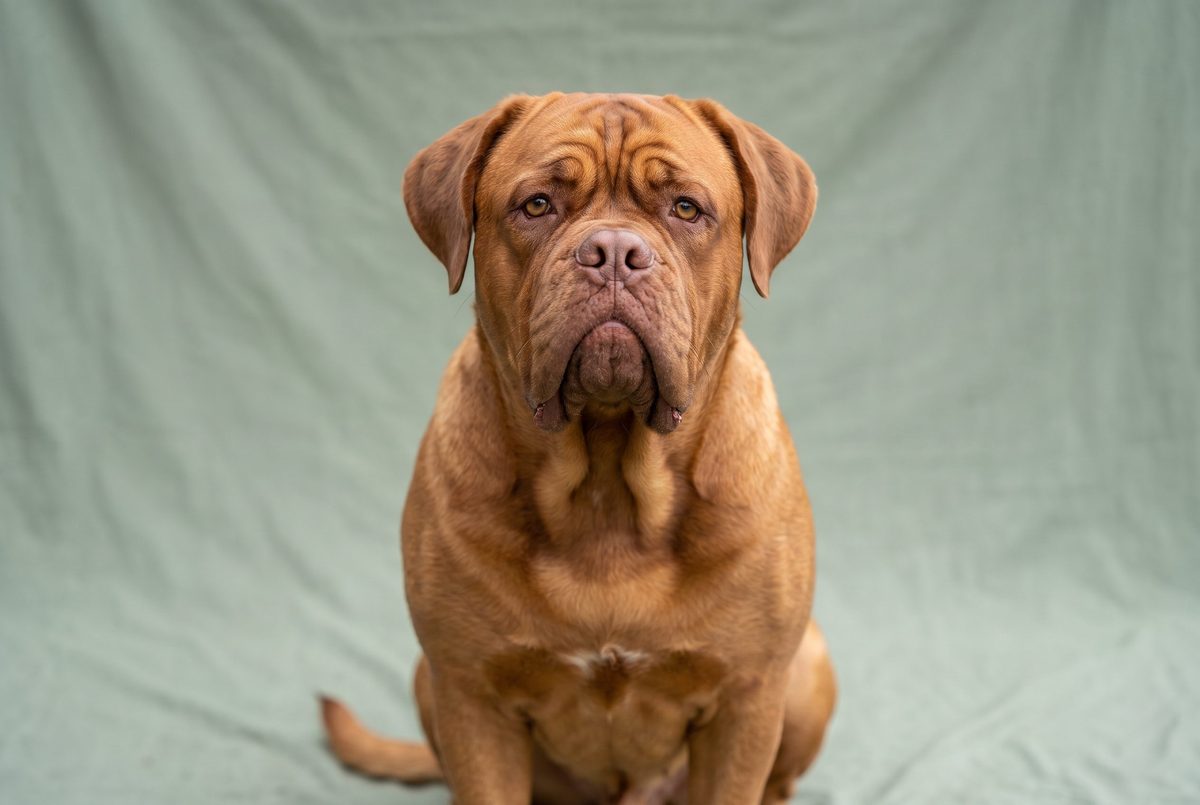
The Dogue de Bordeaux, also called the French Mastiff, is one of the oldest French breeds. It belongs to the molossers, heavy dogs with massive heads, and historically guarded estates, helped hunt large game and pulled carts. Its trademarks are a huge wrinkled head, a short coat in shades from fawn to mahogany and a pronounced underbite. Males stand roughly 24 to 27 inches (60 to 68 cm) at the shoulder and weigh at least 110 pounds (50 kg); females are slightly smaller and lighter.
Temperament
Behind the stern expression is a calm, steady and very affectionate family dog. It is devoted to its people, likes to lie as close to them as possible and doesn't mind at all that it weighs as much as an adult. With strangers it tends to be wary and guards naturally, often just by being there. It doesn't bark without reason. It can be stubborn and takes its time to decide, so pressure doesn't work. With other dogs, especially of the same sex, it can be dominant, which makes early socialization essential.
Good with kids?
★★★
With children in its own family it is usually patient and protective. Because of its size and strength, though, it can easily knock over a small child, and when guarding it may not tell kids' rough play from a threat. It suits families with older children better, always with adult supervision. Only an adult who can hold it should walk it on a leash.
Training and socialization
Start training while it's still a small, light puppy. Whatever you can't manage with a 45-pound puppy, you won't manage with a 130-pound dog. Calm consistency, positive reinforcement and short sessions work best; harsh methods only lead to resistance. The puppy should meet as many people, dogs and situations as possible. We cover the basics for the first months in our guide to puppy training: the first three months. For a first-time owner this is a demanding breed, so a course with a trainer is a good investment.
Exercise and energy
The Dogue de Bordeaux is no athlete. About an hour of calm activity a day, split into two or three walks, is enough. It handles heat badly and, with its short muzzle, overheats easily, so in summer walk early in the morning and in the evening and always bring water. Until it has finished growing, at around 18 months, don't overload a young dog with running, jumping or lots of stairs, since its joints are still developing.
Health and care
The short coat is easy: a weekly once-over with a rubber grooming mitt is enough. The skin folds on the head need attention, though: clean and dry them regularly to prevent infections. Expect drool, especially after drinking and eating. Sadly, it is a short-lived breed and typically reaches only 5 to 8 years. More common problems include heart disease, hip and elbow dysplasia, bloat and skin infections. Choose a breeder who health-tests the parents and budget for higher costs: a big dog eats a lot and medication is dosed by weight. Our article on how much a dog should eat helps you estimate food needs.
Who is the Dogue de Bordeaux for?
It suits experienced owners who want a calm, loyal companion and guardian and have the space, strength and budget for a giant dog. A house with a yard and a shady spot is ideal. It's a poor fit for a small apartment several floors up without an elevator, for people who mind drool on their clothes and for anyone looking for a sports partner.
Find more breeds in our dog breed guide. Similarly powerful and protective is the Rottweiler, while the Boxer shares molosser roots but is far more playful. More tips in our article on large dog breeds for families.
Could you handle the care a Dogue de Bordeaux needs?
TestDog simulates real dog care: feeding, walks and activity tracked by your phone's pedometer in real time. A Dogue de Bordeaux needs regular walks, a steady routine and plenty of your company. Find out if you can manage it before you get a real dog.